EU Stock · B2B only · 27 member states · FDCM E-Commerce S.A.
ENDEPL
Creatine Monohydrate 200 Mesh · CAS 6020-87-7 · EU Distributor

Creatine Monohydrate —
200 Mesh, EU Stock
B2B from 25 kg to FCL

The benchmark creatine raw material. Purity ≥99.5% HPLC, 200 mesh particle profile, full impurity testing (DCD, DHT). Competitive pricing from trial to full container load. All 27 EU member states, DSV road freight.

25 kg
Min. order
€22.98
Per kg from
500 kg
Pallet (500 kg)
~20 MT
FCL on request
Creatine Monohydrate 200 Mesh Bulk EU
Product ID Sheet
CAS / EINECS6020-87-7 / 201-836-1
Purity (HPLC)≥99.5%
Mesh / Particle size200 mesh — ≤75 µm ≥95%
Water (Karl Fischer)≤1.0%
DCD impurity≤100 ppm
DHT impurity≤100 ppm
Solubility~14 g/L at 20°C
Bulk density~700–850 g/L
Shelf life36 months
Pack25 kg paper bag PE liner
€22.98/kg
25 kg trial qty · excl. VAT
IN STOCK
From 25 kg to full container load
CoA + full impurity panel per batch
DSV · all 27 EU member states
Vegan — chemical synthesis
Allergen-free · non-GMO
200 Mesh vs 80 Mesh

Which Creatine Mesh Grade is Right for Your Product?

FDCM stocks creatine monohydrate in two particle size grades. The choice between them depends on your finished product format, processing equipment and solubility requirements. Both grades carry the same purity specification (≥99.5% HPLC) and full impurity testing — the difference is purely physical.

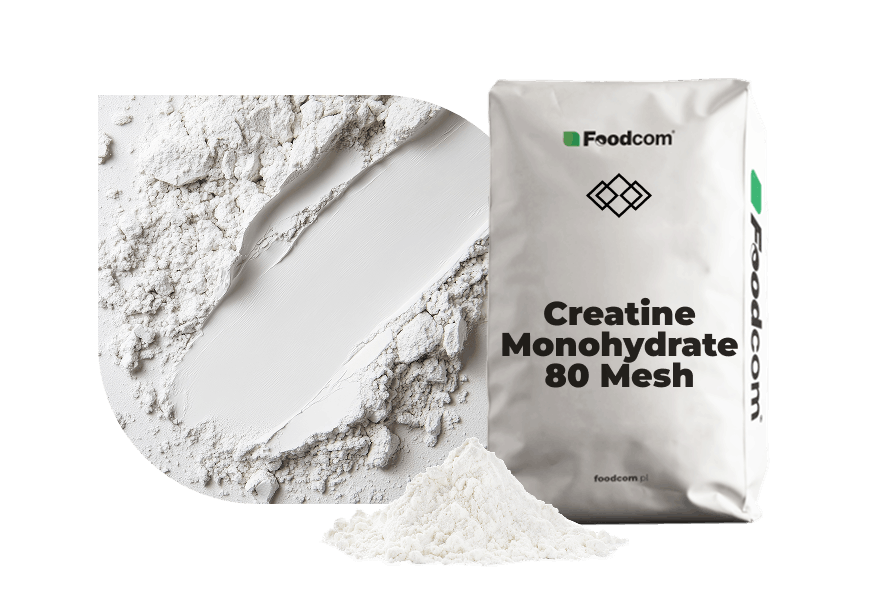
200 mesh (≤75 µm) is the finer grade and the preferred choice for encapsulation, direct compression tableting and fine powder blends where particle size uniformity matters for flow and dose consistency. Its finer particle profile also improves dispersibility in aqueous systems compared to 80 mesh, though neither grade achieves rapid cold-water dissolution at typical serving concentrations without agitation.

80 mesh (≤180 µm) is the coarser grade, with a more granular texture that many formulators prefer for open-dose (spoon-measure) powders, protein shake blends and bulk powder products where texture is less critical and fast dispersion in agitated liquids is sufficient.

<
Property200 Mesh80 Mesh
Particle size≤75 µm (≥95%)≤180 µm (≥95%)
TextureFine, silkyCoarser, granular
Best forCapsules, tablets, fine blendsShakes, bulk powder, RTD
Dispersibility in waterBetter — finer surface areaGood with agitation
Flow in encapsulatorsExcellentGood
Price (EU stock)€22.98/25 kg€40.22/25 kg
AvailabilityIn stockIn stock

Search Terms

creatine monohydrate 200 mesh EUcreatine wholesale B2B Europebuy creatine bulk FCL EUCAS 6020-87-7 distributorcreatine raw material supplementcreatine pricing pallet containercreatine vegan EU stockcreatine 200 mesh capsule tablet
Volume Pricing

Creatine Monohydrate — Pricing by Volume

FDCM offers competitive tiered pricing from trial quantities to full container loads. All prices excl. VAT, EXW EU warehouse.

Most popular
500 kg
Contact for pricing
20 × 25 kg · Volume discount applies
~5 MT
Contact for pricing
Significant volume savings · Lead time 1–2 weeks
~20 MT
Contact for pricing
Best pricing · Dedicated lot · Priority dispatch
Full Specification

Creatine Monohydrate 200 Mesh — Analytical & Physical Data

CAS 6020-87-7, pharma grade, 200 mesh. Chemical synthesis (sarcosine-cyanamide route). No animal-derived raw materials.

Analytical Parameters

CAS Number6020-87-7
EINECS201-836-1
Molecular formulaC₄H₉N₃O₂ · H₂O
Molecular weight149.15 g/mol
Purity (HPLC)≥99.5%
Water (Karl Fischer)≤1.0%
Sulfated ash≤0.1%
Heavy metals (as Pb)≤10 ppm
Lead (Pb)≤1 ppm
Arsenic (As)≤1 ppm
Dicyandiamide (DCD)≤100 ppm
Dihydrotriazine (DHT)≤100 ppm
pH (1% solution)6.5–8.0

Physical & Packaging Data

AppearanceWhite crystalline powder
OdourOdourless
Particle size200 mesh: ≤75 µm (≥95%)
Solubility in water~14 g/L at 20°C
Bulk density~700–850 g/L
Manufacturing routeChemical synthesis — vegan, allergen-free
Packaging25 kg paper bag with PE liner
Pallet configuration500 kg (20 × 25 kg bags)
Storage<25°C, dry, away from light and moisture
Shelf life36 months from production date
Salmonella / E. coliNegative / <10 CFU/g
CertificationsCoA · TDS · SDS · Non-GMO · Allergen-free · Vegan
Formulation Guide

Creatine Stacking — Common Formulation Combinations

Creatine monohydrate is one of the most commonly co-formulated supplement ingredients. Here are the main stacking patterns with FDCM stock ingredients.

Peak performance formula

Pre-Workout Stack

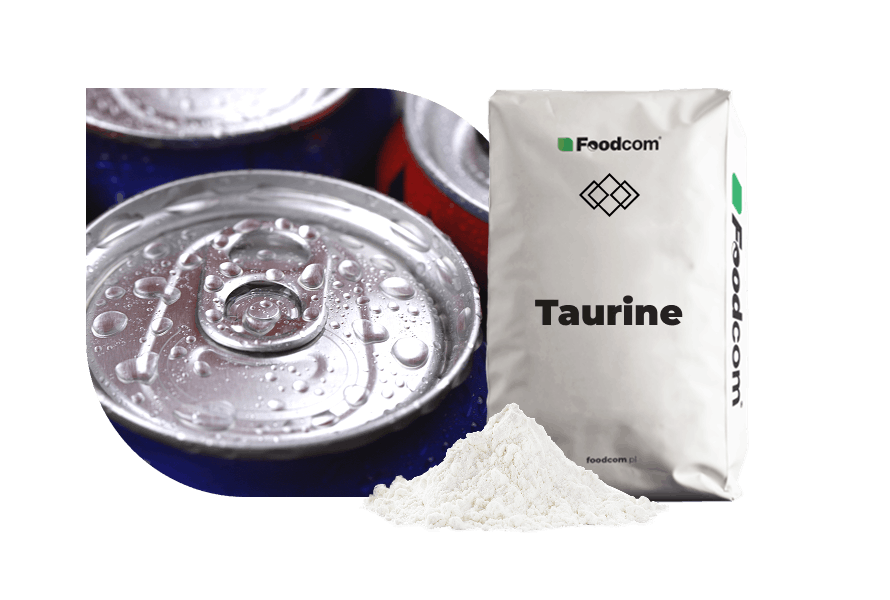
Creatine monohydrate is the cornerstone of pre-workout powders. Standard inclusion at 3–5 g per serving alongside caffeine anhydrous (150–200 mg) for acute performance, taurine (1–2 g) for endurance and L-arginine (1–3 g) for nitric oxide support. All available from EU stock.

  • Creatine monohydrate 200 mesh — 3–5 g/serve
  • Caffeine anhydrous — 150–200 mg
  • Taurine — 1–2 g
  • L-arginine — 1–3 g
Post-workout rebuild

Recovery Formula

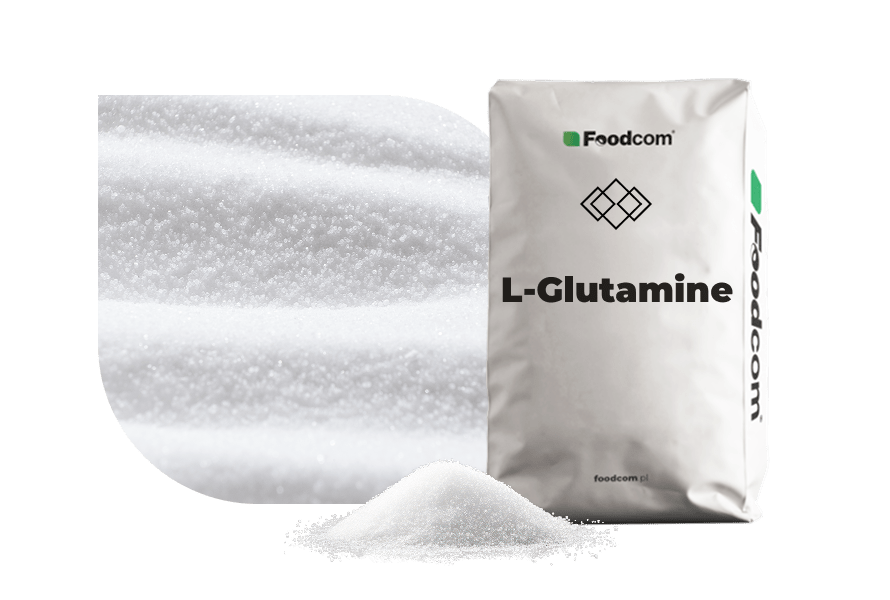
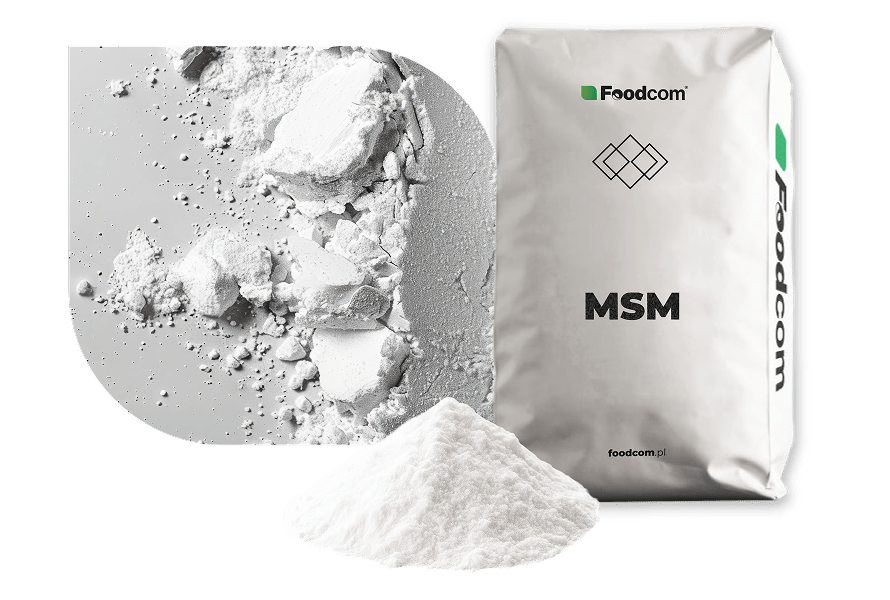
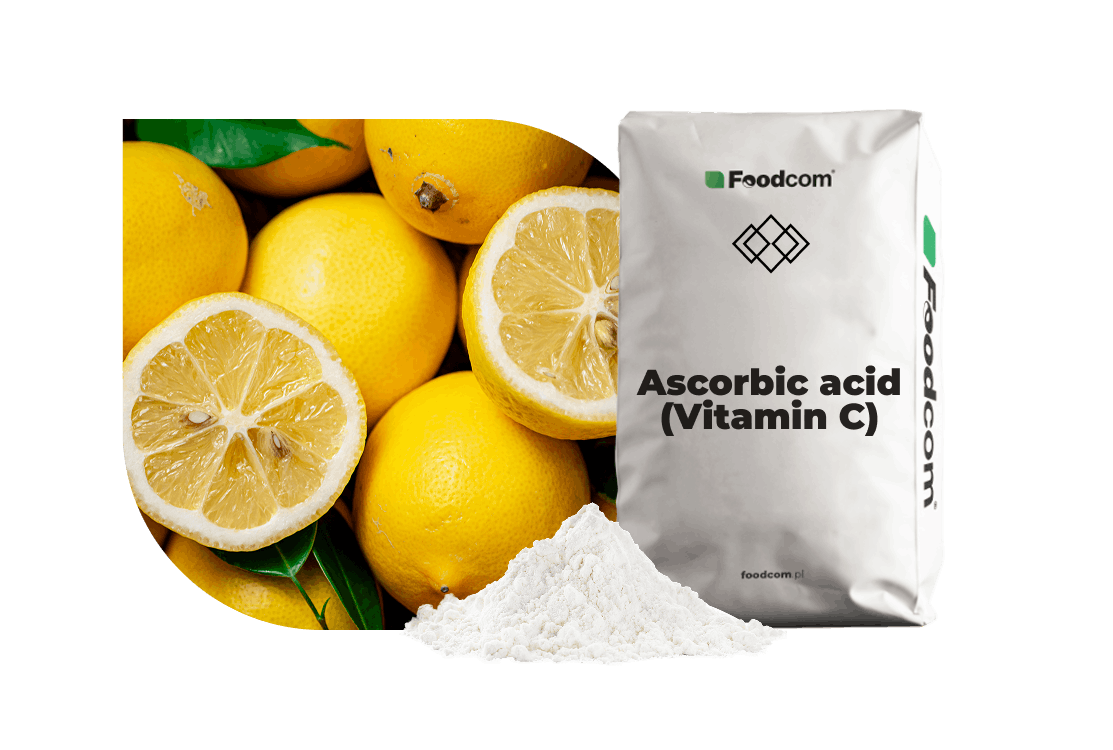
Post-workout creatine loading (3–5 g) combined with L-glutamine (5–10 g) for gut and muscle recovery. MSM (1–3 g) supports connective tissue. Ascorbic acid (500 mg–1 g) supports collagen synthesis and immune function. Often combined with whey protein from the FDCM dairy range.

  • Creatine monohydrate — 3–5 g
  • L-glutamine — 5–10 g
  • MSM (methylsulfonylmethane) — 1–3 g
  • Ascorbic acid (Vitamin C) — 0.5–1 g
Long-term connective tissue support

Joint Health Stack

Creatine combined with bovine collagen peptides targets both muscle mass and connective tissue integrity. MSM and ascorbic acid complete the stack. Relevant for active individuals over 40, rehabilitation protocols and high-load athletes.

  • Creatine monohydrate — 3–5 g/day
  • Bovine collagen peptides — 5–10 g/day
  • MSM — 1–2 g/day
  • Ascorbic acid — 0.5 g/day (collagen cofactor)
Regulatory

EU Compliance for Creatine as a Supplement Ingredient

Legal status and Novel Food

Creatine monohydrate is not classified as a Novel Food under Regulation (EU) 2015/2283 — it has a documented history of use as a food supplement ingredient in the EU prior to May 1997. It is regulated as a food supplement ingredient under Directive 2002/46/EC.

EFSA scientific opinions (2004, 2016) confirm safety at up to 3 g/day for the general population. Doses of 3–5 g/day in sports supplements fall within this established safety profile. No maximum permitted level is set in EU law for creatine in food supplements for adults.

Labelling and claims

Creatine monohydrate has no authorised health claim under Regulation (EC) No 1924/2006. Product labelling must comply with Regulation (EU) No 1169/2011. Claims relating to athletic performance should be assessed against EFSA guidance and national competent authority requirements in the target market. FDCM provides documentation for regulatory assessment on request — allergen declaration (allergen-free), non-GMO statement, vegan confirmation, country of origin certificate.

Why FDCM

EU creatine supplier — from trial to container

FDCM serves supplement brands, OEM manufacturers and ingredient traders across the EU. Consistent quality, competitive pricing at all volume tiers.

25 kg to FCL

Single bag for R&D and first production run. Same quality, same CoA at every volume. No minimum annual commitment ever.

Transparent pricing

Published per-kg pricing on FDCM.eu. Volume tiers for pallet and container quantities available on request — no hidden fees.

Complete documentation

CoA per batch as standard — full impurity panel including DCD and DHT. TDS, SDS, allergen declaration, non-GMO, vegan confirmation on request.

Fast EU-wide delivery

DSV road freight to all 27 EU member states. Standard transit 3–7 business days from EU warehouse.

FAQ

Creatine Monohydrate — Technical & Commercial Questions

For food supplement use, ≥99.5% HPLC purity is the accepted standard across the EU market. This is the specification FDCM supplies. For pharmaceutical applications or clinical study material, Ph. Eur. monograph compliance documentation is available on request — contact FDCM directly to discuss requirements.
Dicyandiamide (DCD) and dihydrotriazine (DHT) are process impurities arising from the sarcosine-cyanamide synthesis route used for virtually all commercial creatine. Reputable manufacturers control both to ≤100 ppm. Higher levels — sometimes seen in lower-cost material from undisclosed sources — indicate inadequate purification. FDCM CoA includes both parameters as standard. When evaluating supplier quotes, always request CoA with explicit DCD and DHT values.
Sample requests are handled through FDCM.eu or via contact@fdcm.eu. Samples are typically dispatched within 1–3 business days. A nominal sample fee may apply depending on quantity — please specify your intended application and target volume when requesting.
FCL pricing depends on volume, delivery destination and market conditions. FDCM offers competitive FCL pricing for 20 MT container loads. Please contact contact@fdcm.eu with your target destination and volume to receive a current FCL quote.
Store at <25°C in dry conditions, away from direct light and moisture. Creatine monohydrate is hygroscopic — keep bags sealed until use. Do not store near strong acids or oxidising agents. Shelf life is 36 months from the production date on the CoA when stored correctly. Opened bags should be resealed and used promptly.
No. Creatine monohydrate is produced by chemical synthesis and cannot be labelled as organic or natural under EU regulations. It is vegan, allergen-free and non-GMO. For products targeting 'clean label' positioning, the vegan and non-GMO documentation from FDCM can be cited.
Contact & Pricing

Request Pricing or a Sample

We respond to all B2B inquiries within 4 business hours

Operated by

FDCM E-COMMERCE SPOLKA AKCYJNA
Krzysztofa Komedy 2/3
02-517 Warszawa, Poland
VAT: PL5214100463

Contact

contact@fdcm.eu

fdcm.eu — full catalogue & online ordering

Get pricing for creatine monohydrate in bulk

From 25 kg trial quantities to full container loads. Live stock, current pricing and full documentation on FDCM.eu.

Get Pricing on FDCM.eu → Request Sample